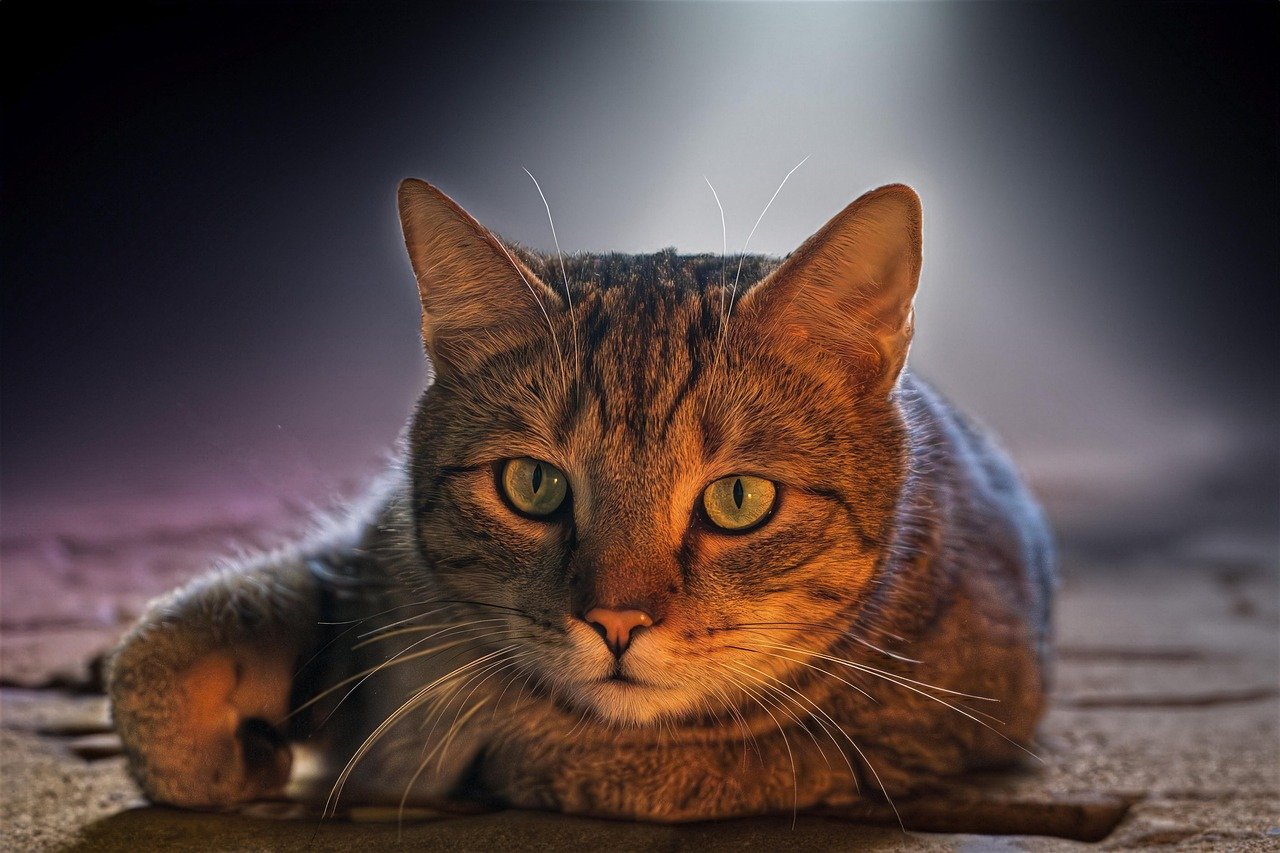
As beloved companions, cats offer countless hours of joy, companionship, and comfort to their owners. However, as we reflect on our lifestyles and their effects on the environment, it is essential to consider the ecological footprint of our feline friends. From their dietary needs to the materials used for their care, owning a cat has several environmental implications that warrant attention.
1. Resource Consumption
Cats, like any other pet, require resources to thrive. They consume food, water, and materials for their comfort and wellbeing. The production of cat food has a notable carbon footprint. The majority of cat food consists of meat, which carries a higher environmental burden compared to plant-based foods. The livestock industry is a significant contributor to greenhouse gas emissions, land degradation, and water usage. By choosing high-quality, sustainably sourced cat food, pet owners can help mitigate some of these environmental impacts.
2. Waste Management
Cats naturally produce waste, which leads to another environmental concern. Traditional clay cat litters, often made from sodium bentonite clay, require extensive mining processes that contribute to land degradation and habitat loss. Moreover, the disposal of cat litter poses its own ecological challenges. When litter is added to landfills, it can take years to decompose, and in some cases, the clay can release harmful chemicals into the soil and water systems.
Fortunately, eco-friendly alternatives are available on the market. Biodegradable litter options, such as those made from corn, wheat, or recycled paper, offer a more sustainable choice. By switching to these alternatives, cat owners can significantly lessen their environmental footprint.
3. Indoor vs. Outdoor Cats
Another critical consideration is whether to keep a cat indoors or allow it to roam outdoors. Indoor cats generally have a lesser environmental impact, as they do not contribute to the decline of local wildlife populations, such as birds and small mammals, which can be severely affected by free-ranging cats. Outdoor cats can also be at risk from various hazards, including traffic, predators, and harsh weather conditions.
If you live in an area where wildlife is at risk, keeping your cat indoors not only protects local ecosystems but can also be safer for the cat itself. For those who wish to provide outdoor access for their pets, consider building a catio (a cat patio) or securely leash-training your cat to minimize their impact on local wildlife.
4. Spay and Neuter Programs
The overpopulation of cats in many areas leads to significant environmental and social challenges. Stray and feral cats can pose a threat to wildlife and contribute to issues with public health. Spaying and neutering cats is a responsible choice that prevents the birth of unwanted litters, which can subsequently affect local animal shelters and the ecosystems where these unowned cats roam. By advocating for spaying and neutering, cat owners can help control cat populations and support local wildlife.
Conclusion
While owning a cat certainly has its environmental impacts, there are numerous ways to reduce your ecological footprint. By choosing sustainable products, managing waste responsibly, and considering your cat’s environment, you can be an eco-conscious pet owner. Every decision counts, and small changes can lead to a significant positive impact on the environment.
If you’re interested in further enhancing the well-being of your cat while being environmentally friendly, consider checking out our innovative cat product.
Product ID: 1234.
Leave a Reply